
Personal protective equipment helps prevent workplace injuries.
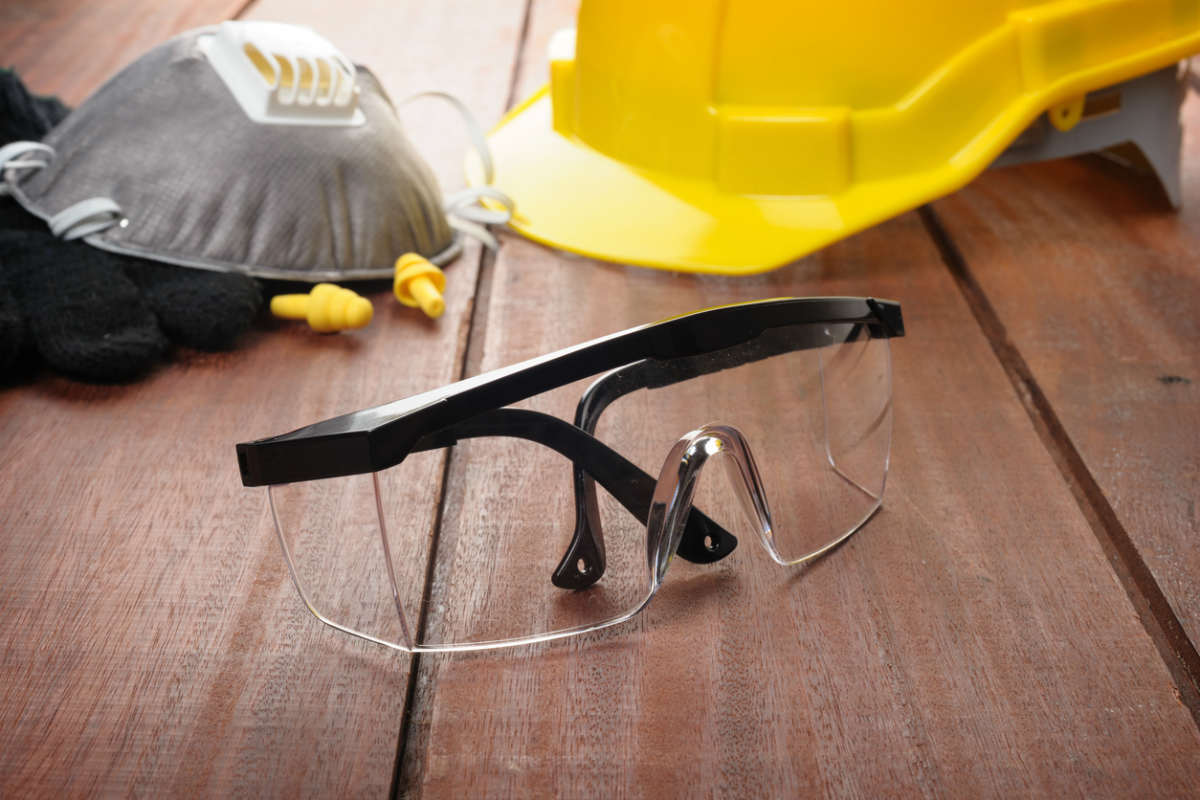
Around 700,000 workdays are lost annually due to injuries caused by failures in personal protective equipment (PPE). Different types of PPE are available depending on the job or hazard. PPE offers protection against injury or illness resulting from contact with physical, chemical, radiological, mechanical, and electrical hazards. PPE is the last line of protection and indicates that the hazards cannot be controlled through engineering, design, or administrative controls.
FREE CONSULTATION
30 YEARS EXPERIENCE
OVER $100 MILLION COLLECTED
ONLY WORK COMP


Common Personal Protection Equipment
- Eye and face protection
- Foot and leg protection
- Head protection
- Hearing protection
- Arm and hand protection
- Respiratory protection
- Protective clothing
OSHA does not mandate specific PPE for specific circumstances. However, it does require employers to identify hazards that require PPE, select appropriate safety equipment, and train workers on its proper use. Employers are required to exercise reasonable judgment to determine the type of PPE required for a particular worker and under what circumstances.
Causes of PPE Failures
- Inadequate assessment by the employer: Failure of the employer to properly assess hazards can lead to workplace injuries, ranging from head trauma to chemical exposures.
- Poorly fitted PPE: Proper fitting is essential for PPE to work correctly. This is particularly important when working with hazards such as heat, respiratory irritants, and chemicals.
- Insufficient worker training: Employers often fail to provide workers with detailed training on the proper use of PPE. The training should include:
- Improper PPE usage: Eye protection can aggravate, and gloves can limit dexterity. Workers often find respiratory protective equipment uncomfortable and feel it interferes with vision and communication. However, it is crucial to understand that proper PPE use is essential for worker safety and well-being.
OSHA mandates medical clearance for workers who are required to use PPE on the job because it can cause serious medical problems, including asthma, heart attacks, and respiratory distress in workers who suffer from cardiovascular or respiratory problems.
- How to inspect PPE
- When to use PPE
- How to wear and adjust PPE
- Limitations of PPE
- How to remove, maintain, and store PPE safely
- Identifying and replacing damaged and worn PPE
St. Louis Injured at Work Attorney
You may be entitled to workers’ compensation benefits if you have been injured in a workplace accident despite wearing proper PPE. It is best to discuss your case with a St. Louis injured-at-work attorney. Call The Law Office of James M. Hoffmann at (314) 361-4300 for a free consultation.